Articles & Resources
Is my employee exempt or non-exempt?
Employees who work overtime must be paid overtime wages.
Some employees are exempt from overtime requirements, but just wanting your employee to be exempt from overtime doesn’t make it true – sorry! There are generally two groups of employees by law:
- Exempt: Employees primarily perform work that is not subject to overtime provisions of the state or federal Fair Labor Standards Act. Overtime pay is not required by FLSA for exempt employees.
- Nonexempt: Employees primarily perform work that is subject to the overtime provisions of the state or federal Fair Labor Standards Act. Overtime pay is required for these employees.
But how can you determine which group your new hire falls into?
To determine if a job is exempt (not subject to overtime) or nonexempt (required to be paid overtime at time and a half), the FLSA uses five exemption tests:
- Executive test
- Administrative test
- Professional test
- Outside sales test
- Computer test
Remember – ALL work is considered nonexempt until the employer completes an exemption test to document why overtime isn’t required.
FLSA Exemption Test Summaries
According to current FLSA law in 2021, employees must earn at least $684 a week ($35,568 annualized) to be exempt from overtime rules under all tests. Yes, even if they are part time. Be aware these numbers do change from year to year, you’ll want to make sure you are running your numbers with the current state and federal requirements.
Employees can also be exempt if they pass the earning test AND regularly meet the criteria in one of the other exemption tests. Here are the exemption tests and their criteria:
Executive Test
- Passing the salary threshold
- The primary duty is “managing the enterprise, or managing a customarily recognized department or subdivision of the enterprise,”
- The employee “customarily and regularly direct the work of at least two or more other full-time employees or their equivalent,” AND
- The employee must have the authority to hire or fire employees, or their recommendations are given particular weight.
For example, and Executive Director or Program Director who can hire staff probably qualify under this test.
Administrative Test
- Passing the salary threshold
- The primary duty is “performing office or nonmanual work directly related to the management or general business operations of the employer or the employer’s customers,” AND
- The primary duty includes “the exercise of discretion and independent judgment with respect to matters of significance.”
Professional Test
- Passing the salary threshold
- Employee’s primary duty is “performing work requiring advanced knowledge, defined as work which is predominantly intellectual in character and which includes work requiring the exercise of discretion and judgment,” which requires advanced knowledge in a field of science or learning that can be “customarily acquired by a prolonged course of specialized intellectual instruction.” (For example holding a license to practice law or medicine and practicing in that field) OR Creative professionals may be exempt if their primary duty is “performing work requiring invention, imagination, originality, or talent in a recognized field of artistic or creative endeavor.” OR Teachers in an educational establishment with a primary duty of teaching, tutoring, instructing, or lecturing are considered exempt.
For more detail about the Professional Test see this PDF guide from US Dept of Labor
Outside Sales Test
To pass this test, employees must be “regularly engaged away from the employer’s place or places of business,” and the primary duty must be making sales and obtaining orders or contracts for services, which will be paid for by the customer.
A Major Gifts Officer at a large nonprofit might qualify under this exemption.
Computer Test
- Passing the salary threshold
- Employee must be employed as a “computer systems analyst, computer programmer, software engineer, or other similarly skilled worker in the computer field” performing these type of responsibilities: a) the application of systems analysis techniques and procedures, including consulting with users, to determine hardware, software or system functional specifications; b) the design, development, documentation, analysis, creation, testing or modification of computer systems or programs, including prototypes, based on and related to user or system design specifications; c) the design, documentation, testing, creation, or modification of computer programs related to machine operating systems; or d) a combination of these duties that require the same skills.
For example, an IT Director at a large nonprofit might be exempt.
Nonprofits should be aware of these important classifications since the determination can make a big difference in the budget, how we pay our staff and the legal consequences of messing it up. When in doubt, seek professional review of the employee’s job description to get a determination of exemption (or non-exemption) before hiring the position.

Recent Podcast Episodes
173: Let It Go! | What Happens to the Money When a Nonprofit Closes?
172: Nonprofit PTSD | Nonprofit Board Basics, Explained by a Teenager

171: You Don’t Need Some Guy on a Yacht | Ditching the Fundraising Myths with Patrick Kirby
170: Shots Fired! | Can a Nonprofit Fire Its Own Board?
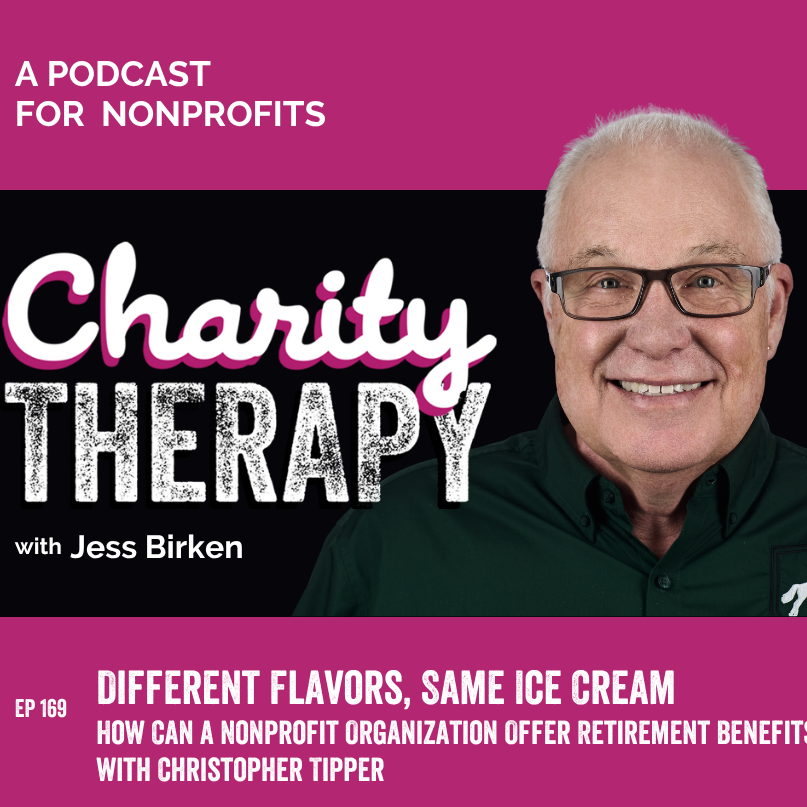
169: Different Flavors, Same Ice Cream | How Can a Nonprofit Organization Offer Retirement Benefits? with Christopher Tipper
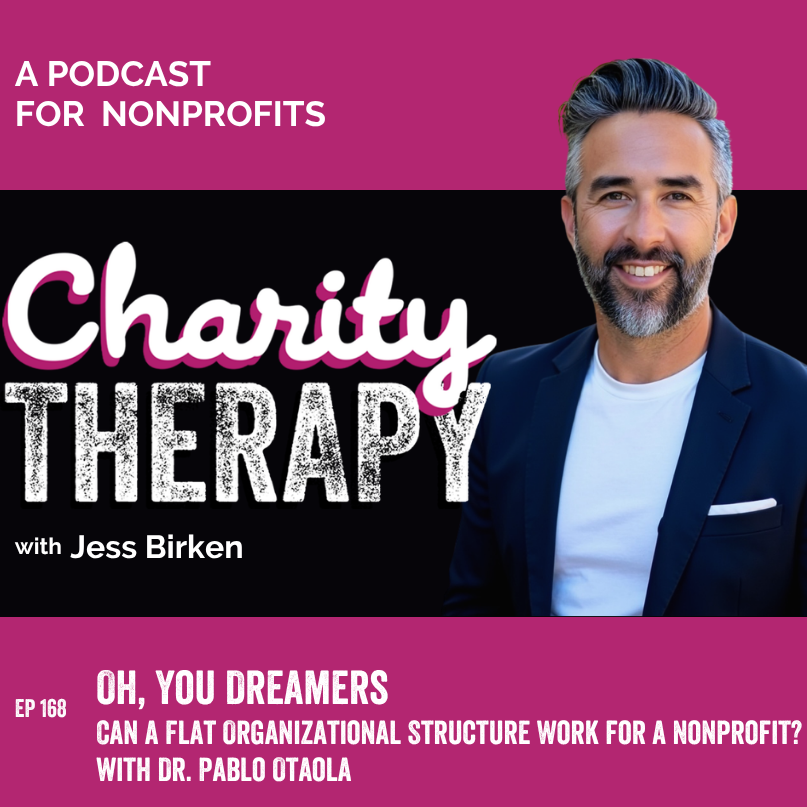
168: Oh, You Dreamers | Can a Flat Organizational Structure Work for a Nonprofit? with Dr. Pablo Otaola

167: A Lawsuit Magnet | Do Nonprofits Really Need Directors and Officers Insurance? With Cody Wiswasser
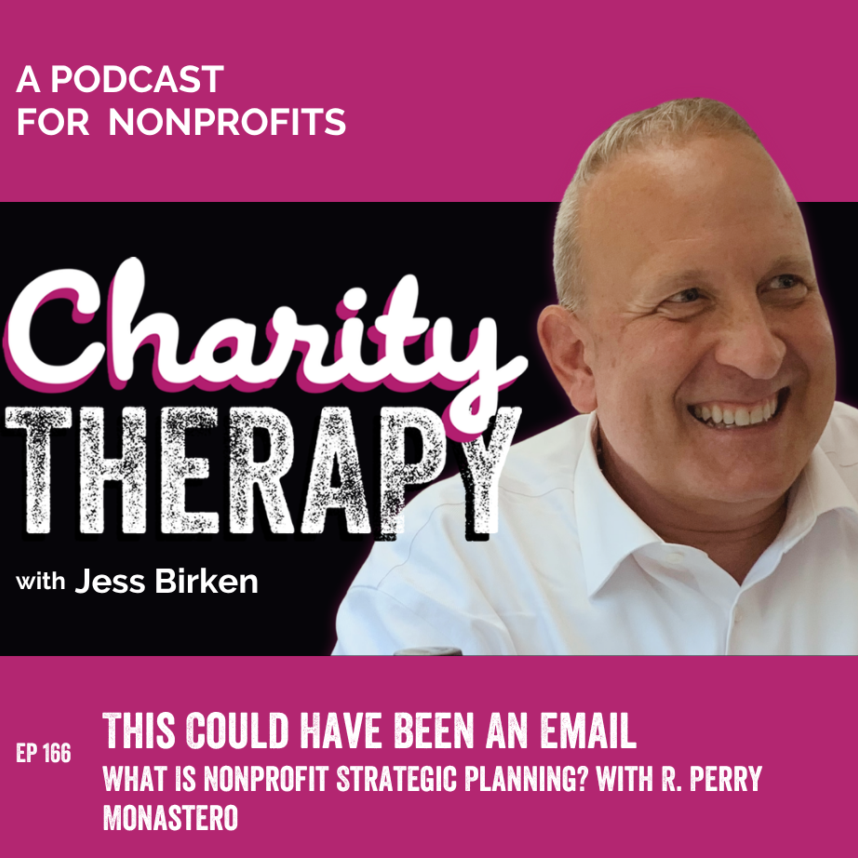
166: This Could Have Been An Email | What Is Nonprofit Strategic Planning? with R. Perry Monastero